
Sporting activities are a great way to stay fit, reduce stress, and promote overall well-being. Unfortunately, sports injuries are a common occurrence, whether due to overuse, improper technique, or unforeseen accidents. From muscle strains and ligament tears to tendon problems, the right medical treatment can be crucial for speeding up recovery and preventing long-term damage. In this article, we’ll introduce you to the best medical treatments for sports injuries that you should know about and explain how they work.
Manual therapy: An important approach for rapid recovery
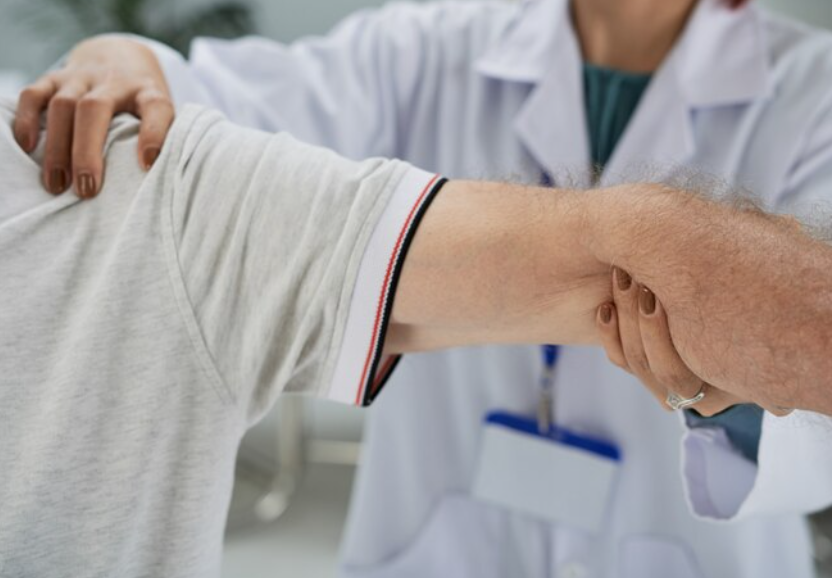
Manual therapy is a proven treatment method specifically designed to resolve functional disorders of the musculoskeletal system. Through targeted manual techniques, mobilizations, and gentle manipulations, tense muscles can be loosened, joints mobilized, and blood circulation improved. Manual therapy not only helps reduce pain but also supports the restoration of full mobility after injuries such as sprains, bruises, or tendon problems. Athletes particularly benefit from this therapy, as it shortens recovery time and makes returning to training safer.
Physiotherapy: Rehabilitation and prevention in one
Physiotherapy is one of the key forms of treatment after sports injuries. It includes individually tailored exercises, massage, electrotherapy, and other techniques to strengthen muscles and joints. In addition to rehabilitation, physiotherapy also serves as a preventative measure: targeted training stabilizes the muscles and reduces the risk of re-injury. An experienced physiotherapist will create a customized program that supports the healing process and enhances performance.
Tennis elbow surgery: When conservative methods are insufficient
For chronic problems like tennis elbow, surgery may be necessary. Many patients suffering from persistent pain require professional help to treat their tennis elbow . The surgery aims to repair damaged tendon fibers, remove inflamed tissue, and restore elbow function. Following surgery, physiotherapy is crucial for fully restoring mobility and strength. Thanks to modern surgical techniques, procedures are minimally invasive, and recovery times are significantly shorter than before.
Shockwave therapy: Innovative technique for pain reduction
Shockwave therapy is a relatively new treatment method used particularly for tendon injuries, heel spurs, and chronic muscle problems. High-energy sound waves are transmitted to the affected area, stimulating the healing process. The therapy reduces pain, promotes blood circulation, and encourages tissue regeneration. It is non-invasive, virtually painless, and ideally suited for athletes who want to quickly return to their training.
Kinesio taping: Supporting healing in everyday life
Kinesio taping is a complementary treatment method frequently used for bruises, sprains, or overuse injuries. The elastic tapes are applied to the skin to relieve muscle tension, support joint function, and improve circulation. Kinesio taping can accelerate healing, alleviate pain, and maintain mobility. It is particularly useful for athletes who want to remain active despite minor discomfort.
Drug treatment and pain therapy
In many cases, anti-inflammatory medications and painkillers can support recovery. They help alleviate acute pain and reduce inflammation, allowing other therapies such as physiotherapy or manual therapy to be more effective. Targeted medical advice is essential to avoid side effects and choose the appropriate dosage. Sports physicians often recommend a combination of medication and physical therapy to optimally support the healing process.
Regeneration and prevention: More than just treatment
In addition to active medical treatment, regeneration plays a crucial role. Sufficient sleep, a balanced diet, and gentle exercise help the body recover more quickly. Preventive measures such as targeted strength training, stretching exercises, and proper technique during athletic movements also contribute to reducing the risk of injury in the long term. Athletes should undergo regular medical checkups to identify problems early and take timely action.
Conclusion
Sports injuries don’t necessarily have to mean the end of active movement. Modern medical treatments such as manual therapy, physiotherapy, shockwave therapy, or surgical procedures offer effective solutions to alleviate pain, promote healing, and restore performance. Especially with chronic conditions like tennis elbow, a combination of conservative and surgical methods can make all the difference. Those who take the right measures early on can not only recover faster but also significantly reduce the risk of future injuries. Therefore, understanding the available treatment options is crucial for a safe and effective return to athletic activity.